
Clinics in Hong Kong commonly face a shared operational challenge: unpredictable patient arrival times lead to overcrowded waiting areas and excessive wait times. Many healthcare facilities rely on traditional paper-based ticketing or manual call systems during peak hours. While simple, this approach often causes patient anxiety, increases the communication burden on medical staff, and reduces the efficient use of clinic space.
As healthcare service standards continue to rise, modern clinics need smarter solutions to optimize their patient flow. Implementing a comprehensive queue management system not only improves the patient visit experience but also helps clinics achieve better resource allocation. Through digitized and automated queue management, healthcare facilities can transform passive waiting into an active service experience — making patients feel they are receiving professional, attentive medical care.
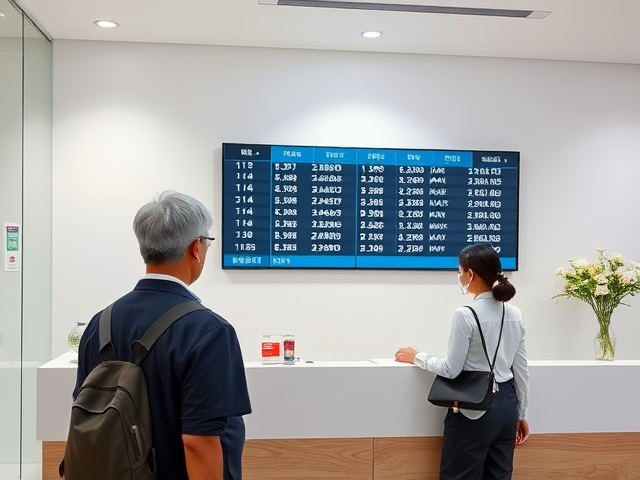
In a competitive healthcare market, patient experience directly impacts a clinic's reputation and return visit rate. When patients face long and uncertain wait times, their satisfaction with the medical service declines — and they may turn to competing providers. For clinic managers, balancing patient needs with available medical resources is the central challenge of daily operations.
A patient queue management system designed specifically for healthcare environments effectively addresses these pain points. Through real-time call announcements, online appointment booking, and live queue status tracking, clinics can significantly reduce on-site congestion, improve staff efficiency, and ensure that every patient receives fair and orderly medical service. This is not just a technology upgrade — it is a comprehensive improvement in healthcare service quality.
How different types of queuing systems are applied in healthcare settings
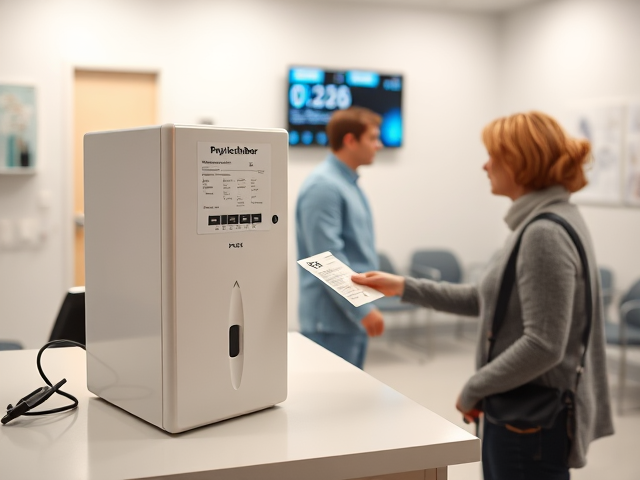
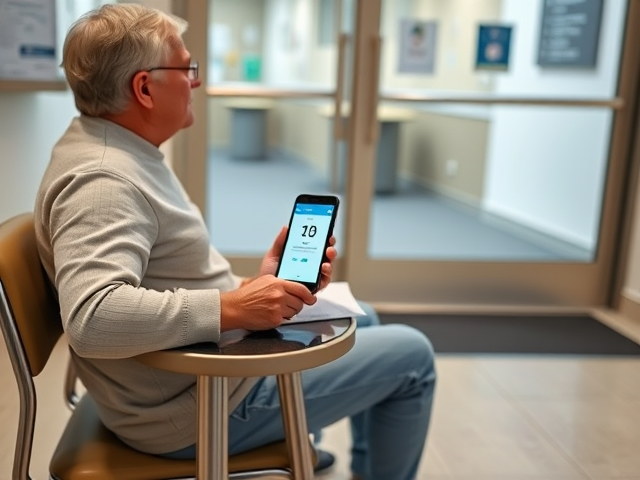

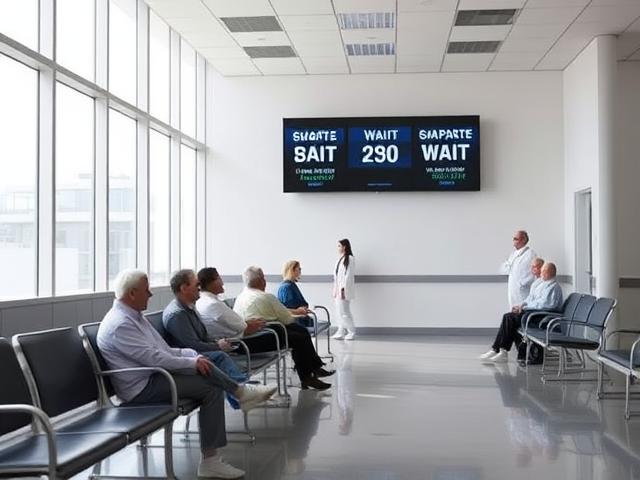
Medical research indicates that patients' average patience in a waiting area is around 5 to 10 minutes. Beyond that threshold, anxiety and dissatisfaction rise rapidly. For clinics, prolonged waiting not only harms the patient experience but can also cause patients to leave before being seen (walk-away), directly impacting clinic revenue and reputation.
By implementing an advanced queue management system, clinics can precisely calculate each patient's estimated consultation time and dynamically adjust the calling rhythm. The system automatically balances the load across departments, preventing any single physician from being overloaded or leaving gaps idle. When wait times are kept within a reasonable range, the patient experience improves significantly, and clinic operational efficiency rises accordingly.
Additionally, virtual call notifications and real-time alerts allow patients to step away from the waiting area to rest or handle other matters, rather than watching the screen constantly. This patient-centered design not only reflects the clinic's professionalism but also creates a differentiated service advantage.
In healthcare services, information transparency is key to building trust. Patients are most anxious about two things: "How much longer do I have to wait?" and "Have I been forgotten?" A comprehensive patient queue management system delivers real-time queue status updates across multiple channels, keeping patients informed throughout their entire visit.
Transparent communication brings the following concrete benefits:
By integrating SMS, push notifications, and in-clinic display screens, the queue management system ensures seamless information delivery. This not only optimizes the patient experience but also relieves nursing staff of the burden of repeatedly explaining wait times — allowing the medical team to focus on core clinical care.
Clinic space is limited. Preventing overcrowding in waiting areas and maintaining a comfortable care environment is a critical operational concern. An effective queue system monitors the number of patients on-site in real time and dynamically directs patient flow to keep the clinic running smoothly.
With scientific queue management, clinics can transform limited space into a high-efficiency service environment. This not only solves the pain points of patient flow management but also creates a professional, reassuring, and highly efficient visit experience for every patient.

In modern healthcare, patient satisfaction has become a key metric for measuring clinic performance. An integrated queue management system can improve the patient visit experience across multiple dimensions and build a competitive advantage for the clinic:
Improving patient satisfaction is not about optimizing a single touchpoint — it is a comprehensive upgrade of the entire visit journey. Implementing a professional patient queue management system is an important step toward delivering exceptional healthcare service, ensuring that every interaction builds positive recognition for the clinic.
Clinic staff often face the pressure of repetitive communication and on-site crowd management. When patients become frustrated by long wait times and ask questions or complain, nursing staff must constantly explain and reassure — consuming energy and diverting attention from core clinical work.
Operating under sustained high pressure can affect the morale and efficiency of the entire medical team. Using technology to reduce the on-site management burden has become a critical area for clinic operational optimization.

Automated queue systems dramatically reduce on-site management requirements. The system automatically handles call announcements, notifications, and progress tracking — freeing nursing staff from tedious crowd control so they can focus on patient care and health consultations.
When patients can independently track their queue status through the system, the number of on-site inquiries drops significantly. The medical team can invest more time in improving consultation quality and patient communication, raising the overall standard of service.
The benefits go beyond simply reducing workload. When clinic operations run smoothly and patient satisfaction improves, the medical team's sense of professional accomplishment also increases — creating a positive cycle that reinforces both performance and morale.
Modern clinic operations require accurate data support. A comprehensive queue management system does more than manage on-site call flow — it collects real-time visit data and provides clinic managers with visual operational insights.
A data-driven operational model moves clinics from "experience-based management" to "precision management." By continuously monitoring and optimizing queue processes, healthcare facilities can significantly improve resource utilization and maintain a competitive edge in an increasingly demanding healthcare market.
Clinic operating costs span multiple dimensions: staffing, space, equipment, and time. Inefficient queue management not only causes patient loss but also translates into hidden operational losses. For example, patients who leave due to excessive wait times directly reduce clinic revenue; nursing staff redirected to maintain order create additional labor costs.
Implementing a professional queue management system reduces operational costs across multiple areas:
Taken together, an efficient patient queue management system is not just a service upgrade tool — it is a strategic investment in operational cost control. By optimizing processes, improving efficiency, and enhancing patient experience, clinics can see meaningful results in the short term while building a sustained competitive advantage over the long run.
As healthcare service standards in Hong Kong continue to rise, optimizing the patient visit experience has become a core operational priority for clinics. A professional queue management system helps clinics reduce wait times, improve staff efficiency, strengthen patient communication, and drive long-term growth through data-driven decisions. Whether you operate an independent clinic or a multi-branch medical group, choosing the right patient queue management system is an important step toward delivering exceptional healthcare service. Find out today how to build an efficient and seamless patient flow designed specifically for your clinic.