
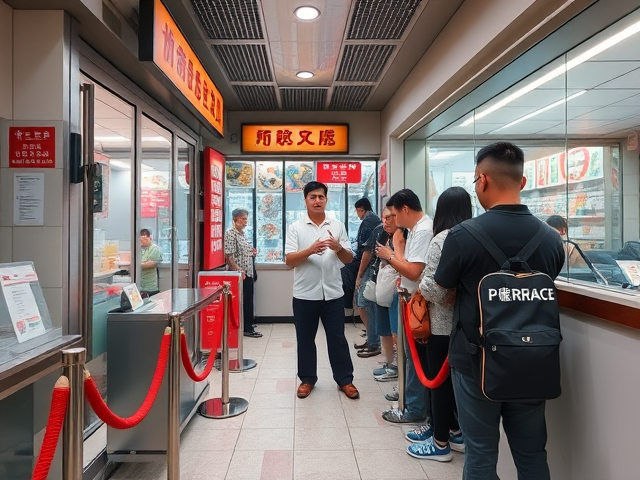
Walking through the bustling streets of Causeway Bay or Mong Kok during a weekend sale, you have likely witnessed it firsthand — shoppers lining up for what feels like an eternity at the checkout counter. In Hong Kong's dense retail landscape, where foot traffic is relentless and space is at a premium, long checkout queues have become a persistent pain point for both customers and store managers alike.
Research shows that the average Hong Kong shopper is willing to wait no more than five minutes before their patience wears thin. Beyond that threshold, frustration sets in, and many simply walk away — leaving potential sales on the counter and damaging the overall customer experience. For retail businesses operating in one of the world's most competitive markets, every minute of unnecessary wait time translates directly into lost revenue and eroded brand loyalty.
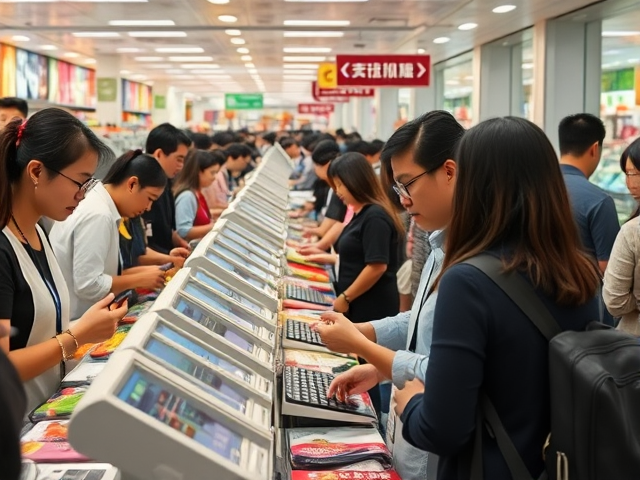
Hong Kong's retail sector is undergoing a rapid transformation. Consumers today expect seamless, frictionless shopping experiences that match the speed of their digital lives. When a retail queuing system is absent or poorly managed, the consequences extend far beyond a simple inconvenience.
Long checkout lines create bottlenecks that ripple through the entire customer journey. Shoppers who endure excessive wait times are less likely to return, more likely to share negative reviews, and more likely to choose a competitor that offers a smoother experience. In a city where alternative retail options are abundant, the businesses that prioritise reducing checkout waiting time gain a decisive competitive edge.
Choosing the right queuing system is the first step toward reducing checkout waiting time. Here are the three primary approaches used by modern retail businesses:
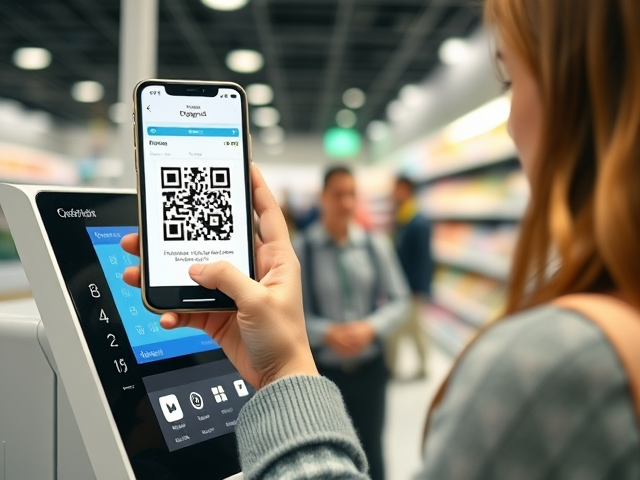
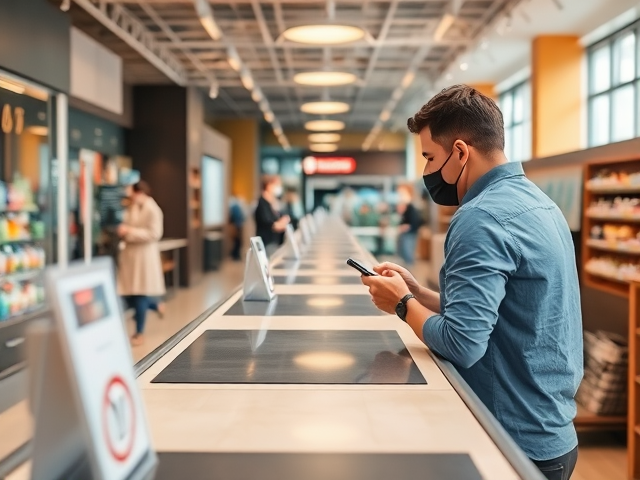
The most effective way to reduce checkout waiting time is to eliminate the physical line altogether. Virtual queuing allows customers to join a queue from anywhere — whether they are browsing the store, sitting in a nearby cafe, or even at home. This freedom transforms an otherwise wasted period into productive or enjoyable time.
When customers are no longer tethered to a physical spot in line, they experience significantly less stress and anxiety. Retail queuing systems that support virtual queuing also enable businesses to manage capacity more intelligently, ensuring that checkout lanes are staffed according to real-time demand rather than guesswork.
For Hong Kong retailers, this approach is particularly powerful. In dense urban environments where every square foot matters, freeing up floor space previously occupied by queuing customers allows for better store layout, additional product displays, and a more inviting shopping environment.
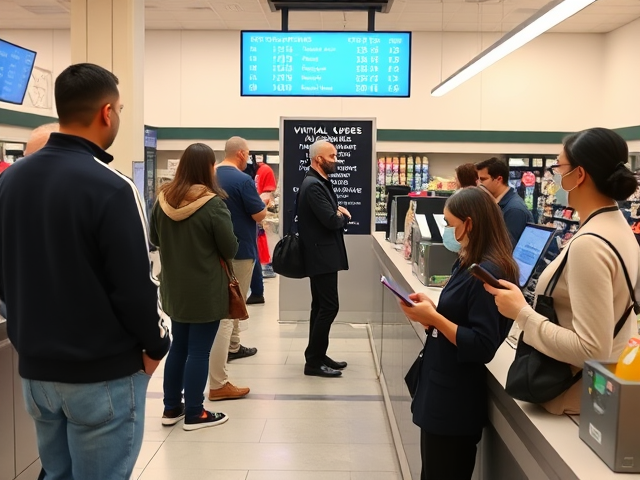
Transparency is the antidote to frustration. When customers know exactly where they stand in the queue and how long they will wait, the perceived wait time shrinks dramatically. A well-designed queuing system delivers real-time updates through multiple channels, ensuring that no customer is left wondering.
Here is how real-time communication improves the customer experience:
By integrating seamless communication into the queuing process, Hong Kong retailers can ensure that every customer feels informed and respected throughout their shopping journey. Whether through SMS notifications, WhatsApp messages, or in-app alerts, the key is to keep the customer connected at every stage.
Even the best retail queuing system cannot compensate for understaffed checkout lanes. Smart workforce management ensures that the right number of cashiers are available at the right time, directly reducing checkout waiting time and improving overall service quality.
Effective staff allocation is not just about having more people on the floor — it is about deploying the right people at the right time. A queuing system that provides actionable workforce insights empowers retail managers to make data-driven decisions that directly reduce checkout waiting time.
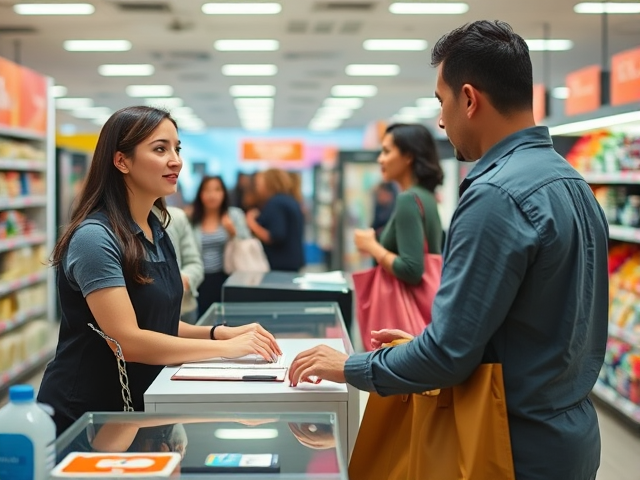
Reducing checkout waiting time is not merely a logistical exercise — it is a strategic investment in the overall customer journey. Every interaction a customer has with your retail store shapes their perception of your brand. When the checkout experience is smooth and efficient, the entire shopping trip feels better.
By focusing on the end-to-end customer journey rather than just the checkout moment, Hong Kong retailers can create a holistic experience that keeps shoppers coming back. A well-implemented queuing system is the backbone of this strategy, ensuring that every touchpoint contributes to a positive brand impression.
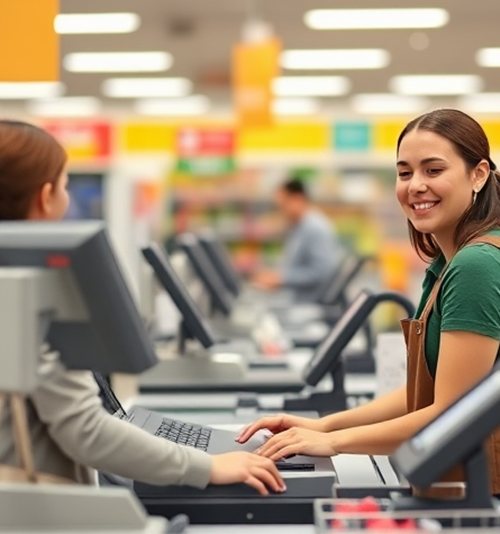
Long queues do not only frustrate customers — they also take a toll on retail staff. Cashiers and floor managers who constantly deal with impatient customers, complaints, and the pressure of keeping lines moving quickly experience higher stress levels and lower job satisfaction.
When a retail queuing system is in place, the burden on staff is significantly reduced. Automated queue management handles the logistics of customer flow, freeing employees to focus on what they do best — providing excellent service, assisting shoppers, and processing transactions efficiently.
Happy staff deliver better service. When employees are not overwhelmed by chaotic queues and angry customers, they are more engaged, more attentive, and more willing to go the extra mile. This improvement in morale translates directly into a better customer experience and higher conversion rates at the checkout.
Moreover, reducing the operational chaos caused by unmanaged queues lowers staff turnover. Retaining experienced retail workers saves recruitment and training costs while maintaining service consistency — a critical advantage in Hong Kong's tight labour market.
Every customer who walks away from a long checkout queue represents lost revenue. In Hong Kong's high-cost retail environment, where margins are tight and competition is fierce, even a small percentage of abandoned transactions can have a meaningful impact on the bottom line.
Studies indicate that up to 30 percent of customers will abandon their purchase if the checkout wait exceeds ten minutes. For a mid-sized retail store processing hundreds of transactions daily, this figure translates into thousands of dollars in lost sales every month alone.
A modern retail queuing system addresses this problem at its root. By reducing perceived wait times, managing customer flow, and enabling virtual queuing, it ensures that more shoppers complete their purchases rather than walking away. The return on investment is clear and measurable.
Additionally, shorter queues mean faster transaction throughput. Cashiers can serve more customers per hour, increasing overall store revenue without requiring additional floor space or staff headcount. This efficiency gain is particularly valuable for Hong Kong retailers operating in compact store formats where every second counts.
The true power of a retail queuing system lies not just in managing queues in real time, but in the wealth of data it generates. Every queue interaction produces valuable metrics that can be analysed to continuously reduce checkout waiting time and optimise store operations.
For Hong Kong retailers, data-driven decision making is no longer optional — it is essential. A queuing system that provides actionable insights empowers store managers to make informed adjustments that directly reduce checkout waiting time, improve the customer experience, and drive sustainable revenue growth.
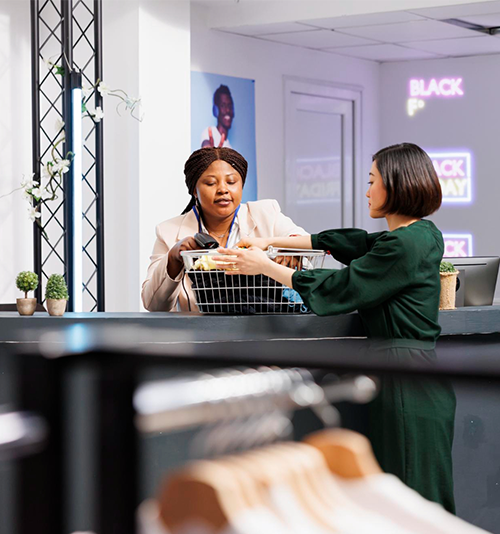
Hong Kong's retail landscape is evolving faster than ever. Rising commercial rents, intensifying competition from e-commerce, and increasingly demanding consumers mean that brick-and-mortar stores must differentiate themselves through superior service quality. Reducing checkout waiting time is one of the most impactful ways to achieve this.
Modern retail queuing systems are designed specifically for the challenges faced by Hong Kong businesses. They are scalable, easy to deploy, and integrate seamlessly with existing point-of-sale infrastructure. Whether you operate a single boutique in Tsim Sha Tsui or a chain of stores across Kowloon and Hong Kong Island, a queuing system can be tailored to your specific needs.
The businesses that act now will be the ones that thrive in the years ahead. Those that delay risk falling behind competitors who have already embraced technology to deliver faster, smoother, and more enjoyable shopping experiences.
Ready to transform your retail store's checkout experience? QueueBee's retail queuing systems are designed to eliminate long lines, improve customer experience, and boost your bottom line. From virtual queuing to real-time analytics, we provide the tools Hong Kong retailers need to stay ahead of the competition.
Contact us today for a personalised solution