
Hong Kong's healthcare landscape is dense, with thousands of medical centres serving a population that expects fast, reliable service. Yet many clinics still rely on first-come-first-served counters, paper tickets, or ad-hoc queuing methods that create confusion, overcrowding, and long waiting periods. Patients arrive early, only to find themselves waiting for over an hour without clear updates or a structured system in place.
This is not just an inconvenience — it affects patient satisfaction, staff morale, and the overall reputation of the medical centre. In a competitive healthcare market, where patients have choices, the way a clinic manages its queue can determine whether they return or walk away. A modern queue management system designed specifically for healthcare environments addresses these challenges head-on.
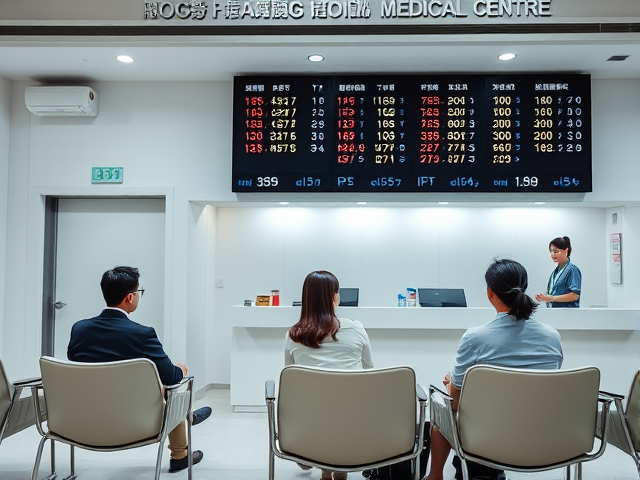
Hong Kong's medical centres face unique operational pressures. High patient volumes, limited consultation rooms, and the expectation of quick turnaround times mean that inefficient queuing directly impacts service quality. Without a structured patient queue management system, clinics struggle with overcrowded waiting areas, inconsistent patient flow, and frustrated staff who spend more time managing lines than delivering care.
A dedicated patient queue management system solves these problems by digitising the entire queuing process. Patients can join a queue remotely via SMS, WhatsApp, or a web portal, receive real-time updates on their position, and arrive at their consultation room at the right time. This eliminates physical congestion, reduces perceived wait times, and allows medical centres to operate more efficiently.
Key Components Of The System
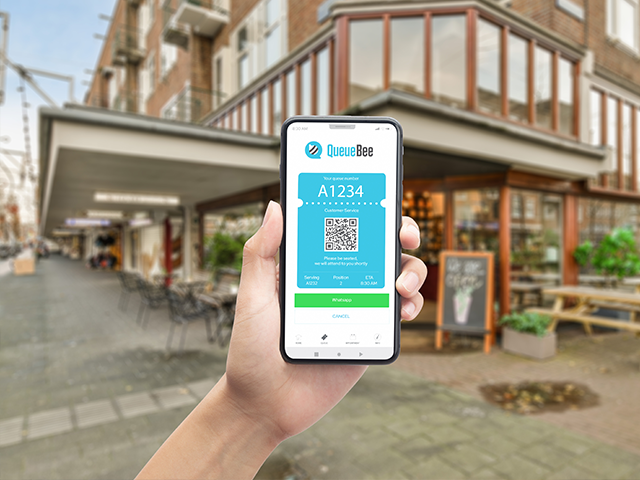
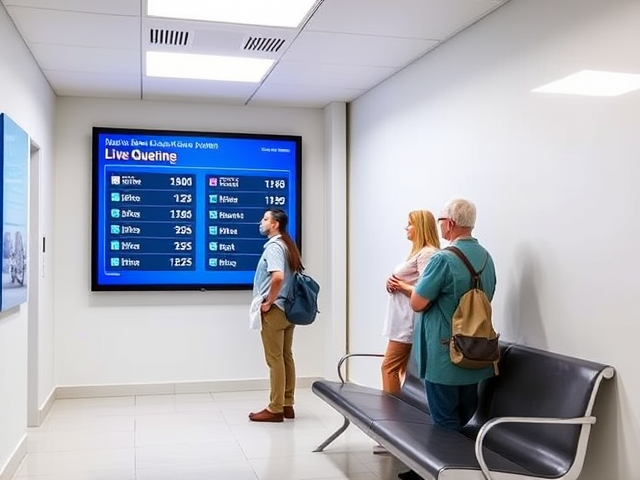
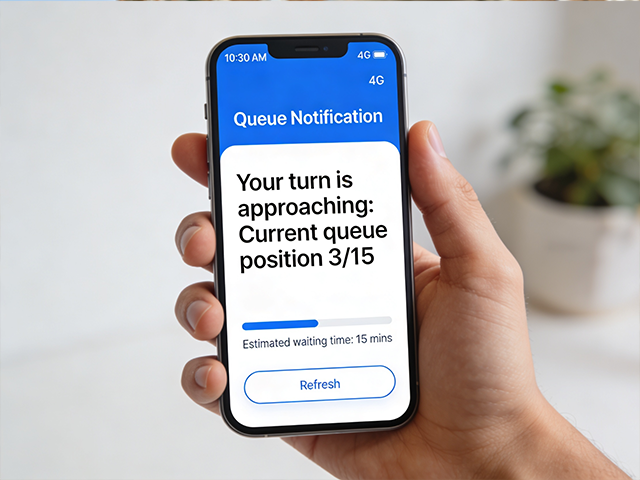
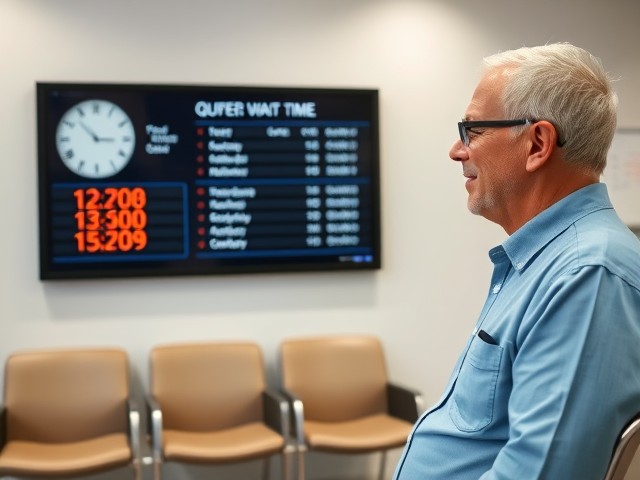
In Hong Kong medical centres, patients often arrive 30 to 60 minutes before their expected consultation time, only to wait even longer. A patient queue management system eliminates this uncertainty by allowing patients to join the queue remotely and receive accurate wait time estimates. Studies show that when patients know their position in the queue and receive regular updates, perceived wait times drop by up to 40%.
For medical centres, this means fewer patients leaving without being seen, reduced overcrowding in waiting areas, and a more predictable daily schedule for doctors and nurses. The system ensures that consultation rooms are utilised efficiently and that patients are called in the correct order.
By implementing a queue management system tailored for healthcare, medical centres in Hong Kong can transform their patient flow from chaotic to controlled, significantly improving both patient satisfaction and operational efficiency.
Communication is critical in healthcare. Patients waiting for medical consultations are often anxious, and uncertainty about their wait time only increases that anxiety. A patient queue management system provides transparent, real-time communication that reassures patients and keeps them engaged throughout their visit.
Here is how improved communication benefits both patients and medical centres:
By integrating seamless communication into the queuing process, medical centres can turn what was once a frustrating wait into a well-managed, transparent experience that reflects positively on their brand.
Medical centres in Hong Kong often deal with fluctuating patient volumes throughout the day. Without a system to manage this flow, waiting areas become overcrowded, and staff are overwhelmed trying to maintain order. A patient queue management system brings structure to this chaos.
Efficient crowd management is essential for any healthcare facility. It is not just about organising patients — it is about creating a space where patients feel respected, informed, and cared for from the moment they arrive until they leave.
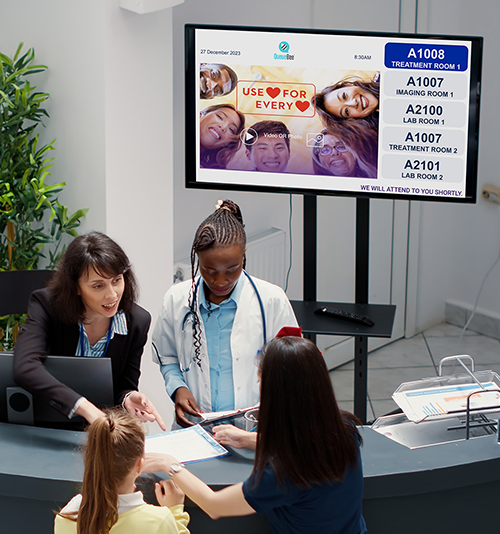
In Hong Kong's competitive healthcare market, patient service quality is a key differentiator. A well-implemented patient queue management system elevates the standard of service across every touchpoint of the patient journey.
Effective patient service is a continuous journey of understanding and responding to patient needs. Implementing a robust queue management system is a powerful step in this journey, ensuring that every patient interaction contributes to building trust and long-term loyalty.

Medical centre staff in Hong Kong are already managing high patient loads with limited resources. When queuing is disorganised, receptionists and nurses spend excessive time managing physical lines, answering repetitive questions about wait times, and dealing with frustrated patients. This diverts their attention from delivering quality care.
A patient queue management system automates the queuing process, freeing staff to focus on what they do best — providing medical care and patient support. With the system handling queue registration, notifications, and real-time updates, staff can work more efficiently and with less stress.
QueueBee's patient queue management system is designed specifically for healthcare environments. By automating queue management and keeping patients informed, the system reduces the burden on staff, minimises patient complaints, and allows medical centres to operate at full capacity without the chaos of unmanaged queues.
When staff are no longer overwhelmed by queue management, they can focus on patient care, personalised interactions, and delivering the high standard of service that Hong Kong patients expect and deserve.
Inefficient queuing costs medical centres more than just patient satisfaction. It translates directly into lost revenue, wasted staff time, and missed consultation slots. When patients leave without being seen or when consultation rooms sit idle due to poor coordination, the financial impact adds up quickly.
QueueBee's patient queue management system addresses these inefficiencies by ensuring that every consultation slot is utilised effectively and that patients are managed smoothly from arrival to departure.
The financial impact of a well-implemented patient queue management system can be substantial. Medical centres that adopt this technology report significant improvements in daily patient throughput, staff productivity, and overall operational efficiency.
QueueBee's patient queue management system does more than manage lines — it provides valuable data across the entire patient journey. This data is essential for medical centre administrators who want to make smarter, more informed decisions about their operations.
Data-driven decision making is no longer optional for medical centres that want to remain competitive. QueueBee's patient queue management system provides the insights needed to optimise operations, improve patient satisfaction, and drive sustainable growth.

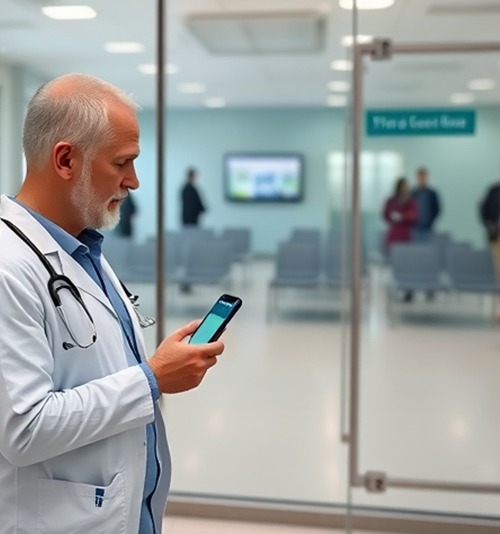
Not all queue management systems are built for healthcare. When selecting a patient queue management system for your medical centre in Hong Kong, consider the following essential features:
Ready to revolutionise patient service at your medical centre in Hong Kong? Discover how QueueBee's patient queue management system can reduce wait times, improve patient satisfaction, and streamline your daily operations.
Contact us today for a personalised solution