
Hong Kong’s healthcare landscape is evolving rapidly, with clinics facing unprecedented patient volumes and tight operational schedules. In this high-pressure environment, traditional manual check-in methods are no longer sufficient. A modern queue management system designed specifically for medical facilities addresses these challenges head-on, replacing chaotic front-desk bottlenecks with streamlined, self-service workflows.
By implementing self-check-in kiosks and digital queuing, clinics can significantly reduce patient wait times, improve staff productivity, and deliver a seamless patient customer journey. This transition is not merely a technological upgrade; it is a fundamental shift toward patient-centric healthcare delivery that aligns with the expectations of today’s digitally savvy population.
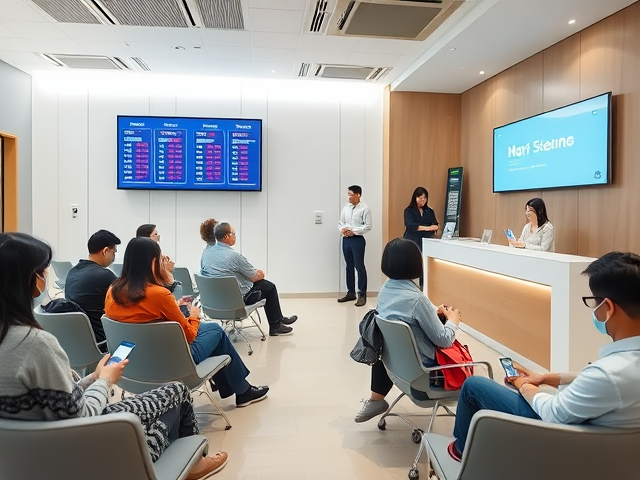
Hong Kong’s dense urban environment and fast-paced lifestyle mean that patients expect immediate, efficient service. When clinics rely on paper tickets or manual registration, long physical queues form quickly, leading to overcrowded waiting rooms and frustrated patients. This inefficiency directly impacts clinic reputation and patient retention.
Implementing a dedicated patient queue management system solves these operational pain points by automating registration, distributing patients evenly across consultation rooms, and providing real-time status updates. This not only restores order to the waiting area but also ensures that medical staff can focus on patient care rather than administrative logistics.
Adapting to Different Clinic Workflows
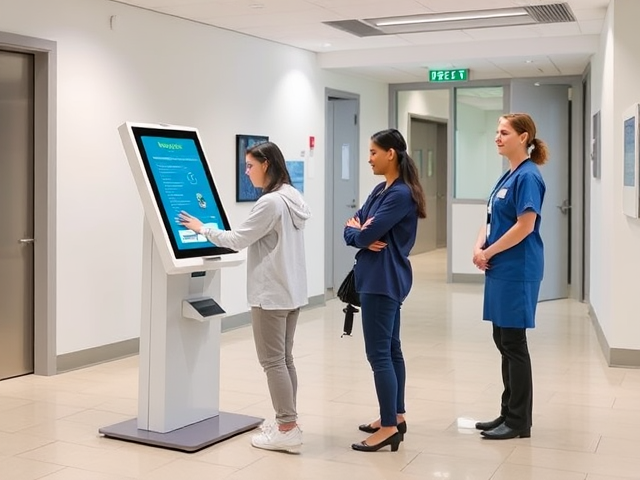

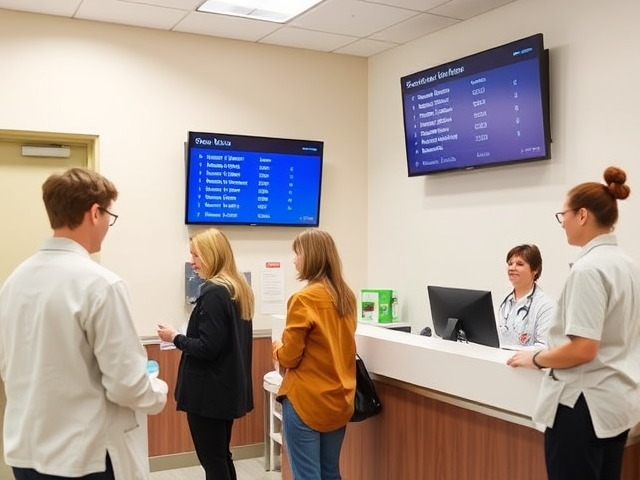

Long wait times are the primary complaint in traditional clinic settings. Patients arriving early often face unpredictable delays due to uneven doctor availability or administrative bottlenecks. A smart queue management system dynamically allocates patients to available consultation rooms, ensuring a balanced workload and significantly shorter physical wait times.
When patients know exactly when their turn is approaching, anxiety decreases, and overall satisfaction increases. By eliminating guesswork and manual scheduling, clinics can maintain a steady, predictable patient flow that respects everyone’s time.
This is where a well-implemented queue management system makes a tangible difference. By automating the check-in and routing process, clinics can cut physical wait times by up to 40%, allowing doctors to see more patients without compromising care quality. Incorporating a patient queue management system takes this further by enabling virtual queuing, giving patients the freedom to wait off-site while staying fully informed.
The patient customer journey begins the moment a clinic visit is booked and ends long after the consultation. A fragmented experience during this journey can damage trust, while a cohesive, technology-driven approach builds loyalty. Modern queuing solutions bridge this gap by providing continuity from arrival to departure.
A streamlined patient journey delivers three critical advantages:
By integrating seamless communication into the queuing process, clinics elevate the entire patient customer journey. Whether through mobile notifications, digital displays, or automated SMS updates, patients feel valued and respected. This transparency reinforces the clinic’s commitment to modern, patient-first healthcare delivery.
In busy medical facilities, staff are often overwhelmed by manual registration, ticket distribution, and constant patient inquiries about wait times. A digital queue management system automates these administrative tasks, allowing medical and administrative personnel to focus on high-value patient care.
Efficient clinic operations are vital for maintaining high medical standards. It’s not just about managing lines; it’s about creating a calm, professional environment where healthcare professionals can perform at their best. This operational clarity directly translates to better patient outcomes and a stronger clinic reputation.

Communication gaps are a major source of patient dissatisfaction in traditional clinics. Uncertainty about wait times, missed appointments, and unclear instructions create frustration. A modern queue management system eliminates these communication barriers through automated, multi-channel updates.
Effective patient communication is a continuous journey of clarity and responsiveness. Implementing a robust queue management system is a powerful step in this journey, ensuring that every interaction counts towards building trust, improving health outcomes, and establishing the clinic as a leader in patient-centric care.

Traditional clinics operate on intuition and manual logs, leaving critical operational gaps unaddressed. A digital patient queue management system captures precise data on patient arrival times, consultation durations, peak hours, and doctor utilisation rates. This data is invaluable for strategic clinic planning.
With accurate metrics, clinic administrators can identify bottlenecks, adjust staffing schedules, optimise room allocation, and even tailor marketing campaigns to off-peak hours. Understanding patient behaviour patterns allows clinics to proactively address capacity issues before they impact service quality.
QueueBee’s queue management system transforms raw operational data into actionable insights. By automating tracking and reporting, clinics gain a clear, real-time dashboard of their performance. This transparency doesn’t just help management make smarter decisions; it also empowers doctors to manage their schedules more effectively, leading to better work-life balance and improved patient care.
When clinics operate with data-driven precision, they reduce wasted time, minimise no-shows, and maximise consultation throughput. This operational clarity elevates the entire healthcare delivery model, making the clinic more competitive, sustainable, and responsive to patient needs.
In the competitive Hong Kong healthcare market, patient retention is directly tied to service efficiency. Long waits, poor communication, and disorganised front desks drive patients to competitors. A modern queue management system addresses these pain points, turning operational efficiency into measurable revenue growth.
QueueBee’s Queue Management System Makes a Difference:
The financial impact of a system like QueueBee can be substantial. By improving productivity, reducing administrative overhead, and maximising consultation throughput, clinics unlock significant revenue potential. Imagine the compounded effect of retaining every frustrated patient who would have otherwise walked away. That’s the potential of optimising clinic operations by up to 85% with QueueBee's integrated solution.
Hong Kong’s healthcare sector is rapidly adopting digital transformation, driven by patient expectations and regulatory standards. A modern queue management system is built to scale, integrating seamlessly with existing clinic management software, electronic health records (EHR), and payment gateways. This ensures long-term viability and adaptability.
Future-proofing your clinic’s operations is no longer optional; it’s a strategic necessity. By adopting a scalable, secure, and intelligent queue management system, Hong Kong clinics position themselves at the forefront of modern healthcare delivery, ready to meet tomorrow’s challenges with confidence and precision.
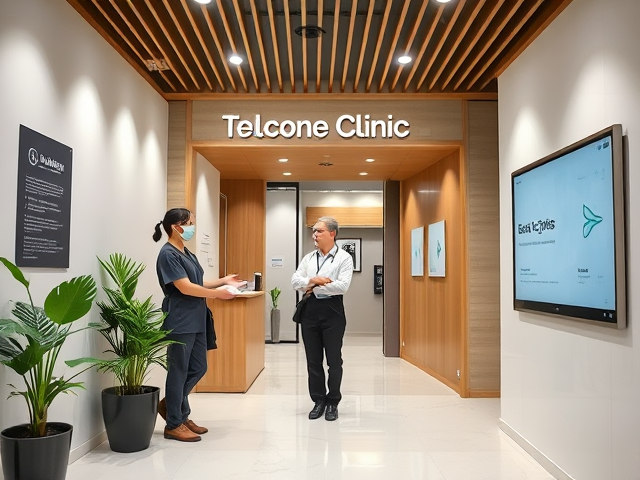
Ready to revolutionise your clinic’s operations? Discover how QueueBee’s queue management system can streamline check-ins, reduce wait times, and elevate the patient customer journey across your Hong Kong clinic. Contact us today for a personalised demo and see how modern queuing technology can drive efficiency, satisfaction, and growth.